
Medical
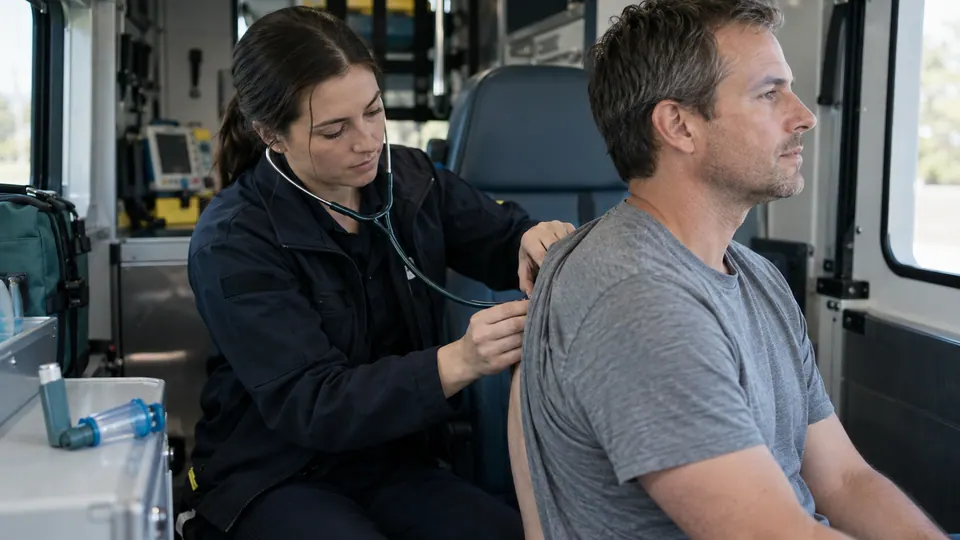
Respiratory Medical Emergencies
Compare lower-respiratory disease presentations such as asthma, COPD, pneumonia, and pulmonary embolism.
60 min study time$9
View course COURSE LIBRARY
Browse 120 courses by topic or EMS level. Each course is $9 and includes 12 months of self-paced access.
120 matching courses · Showing 25–36
No automatic renewalCompare lower-respiratory disease presentations such as asthma, COPD, pneumonia, and pulmonary embolism.
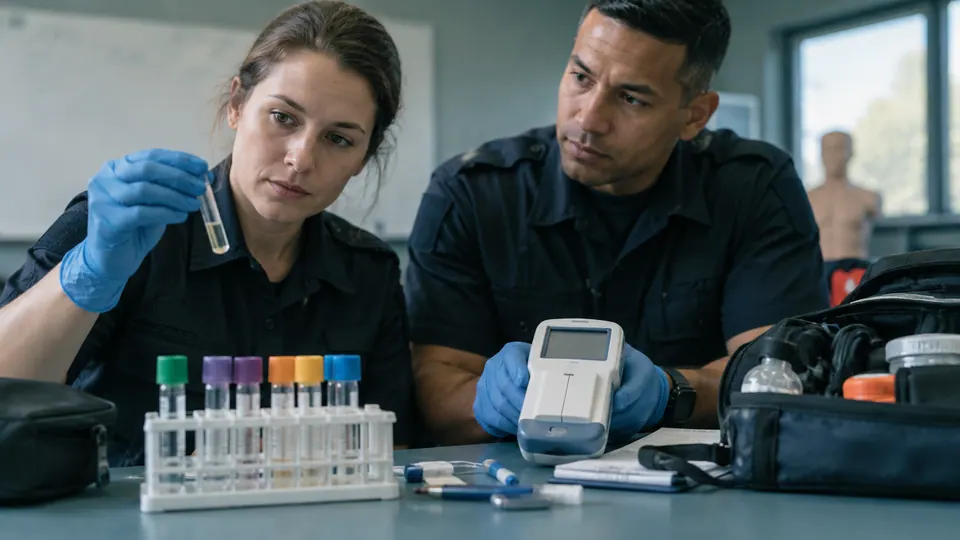
Use acid-base and electrolyte concepts in field reasoning, without claiming definitive diagnosis from limited data.
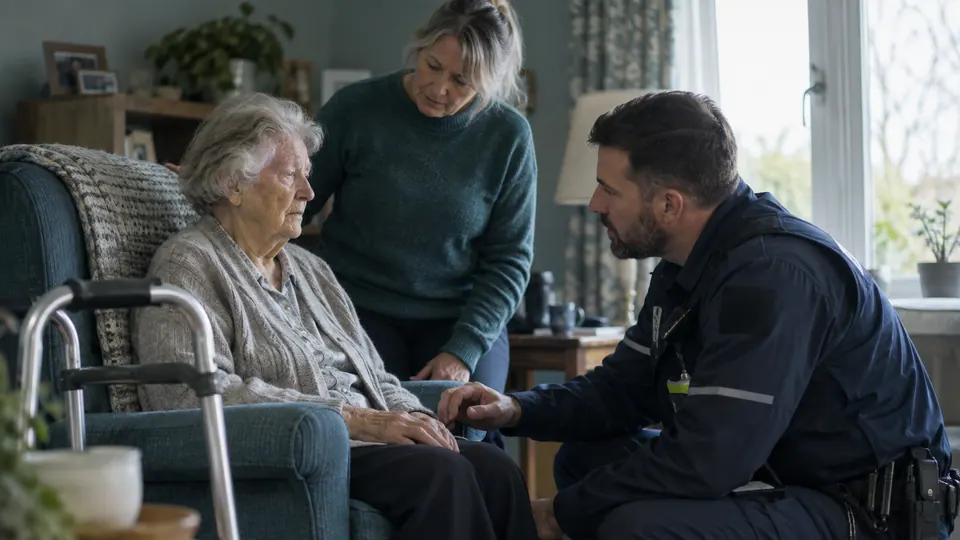
Recognize atypical illness, frailty, polypharmacy, and functional change in older adults.
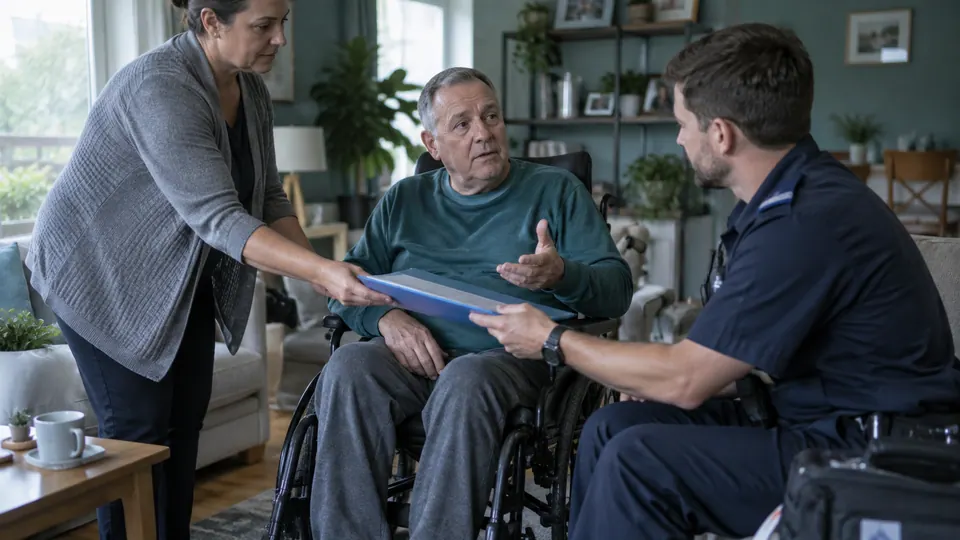
Coordinate care around complex medical needs, care plans, and access barriers; assessment technique is a separate course.
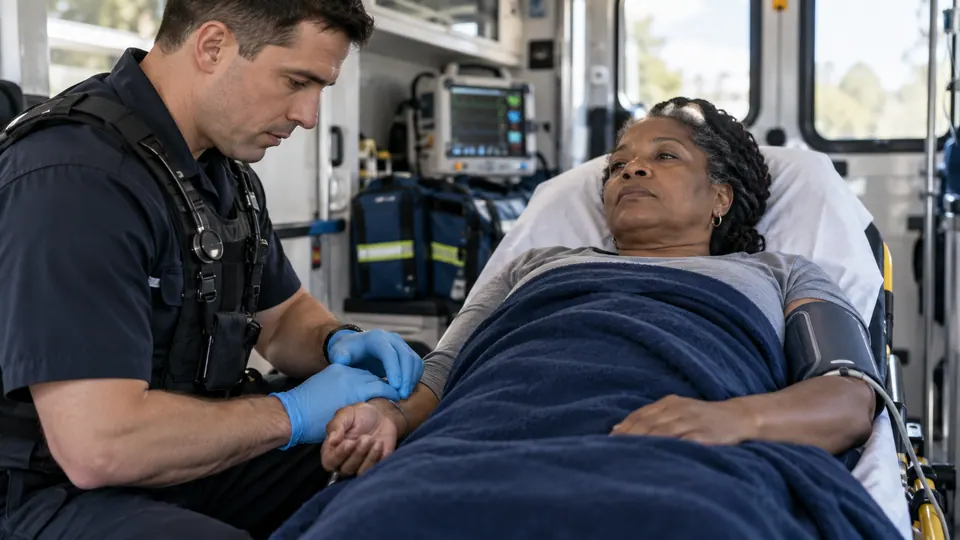
Compare nontraumatic shock patterns and trends; traumatic hemorrhage is covered separately.
Integrate competing medical findings through progressive cases rather than repeat disease lectures.
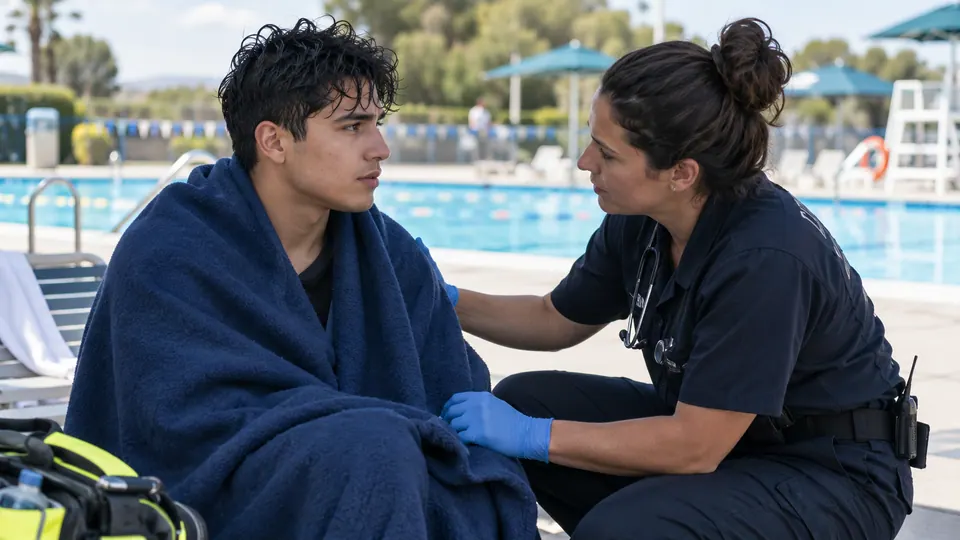
Organize care after safe removal from water, including respiratory compromise and exposure concerns.
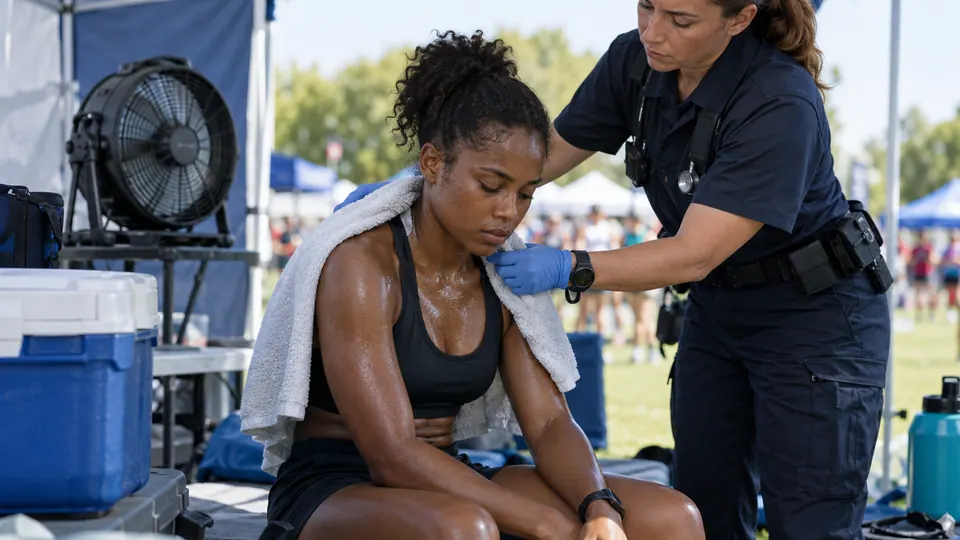
Distinguish heat-related presentations and organize rapid cooling, monitoring, and transport within protocol.
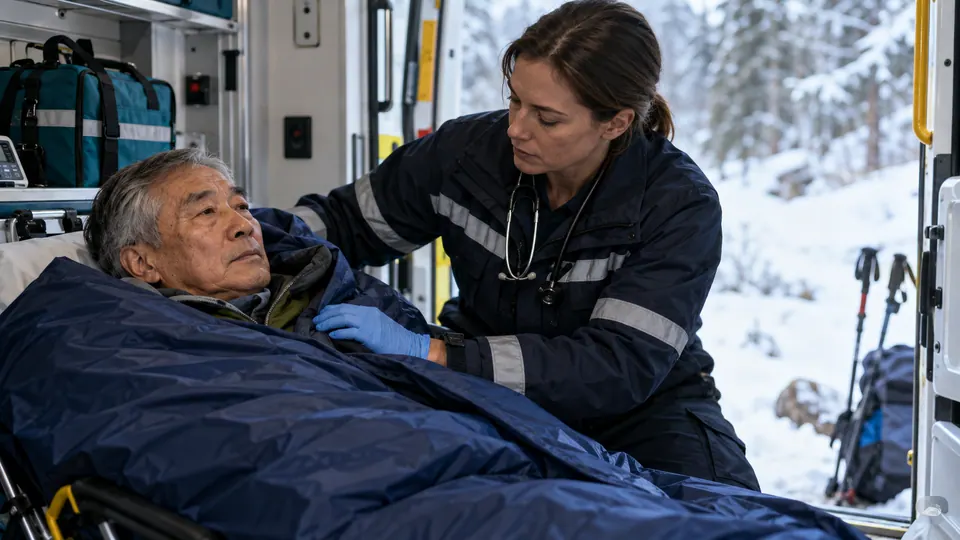
Assess systemic hypothermia and localized cold injury during safe handling and transport.
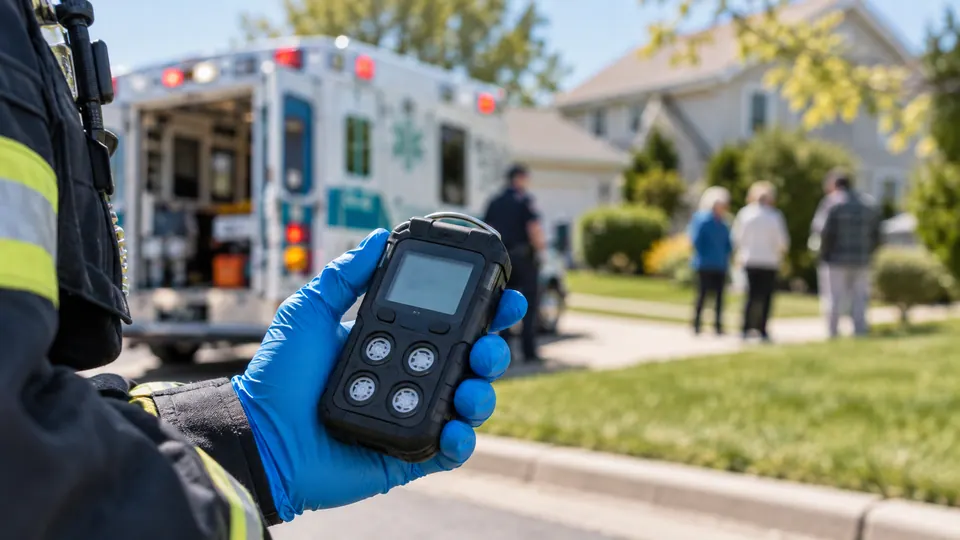
Use exposure clues and monitoring limitations to assess systemic toxic risk; airway burns are separate.
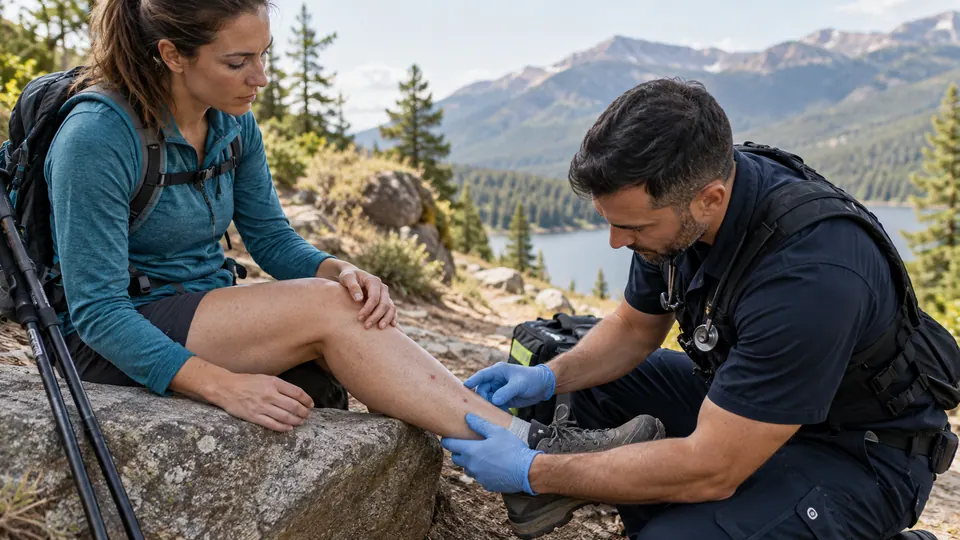
Identify systemic toxicity and avoid harmful field measures after animal or arthropod exposure.
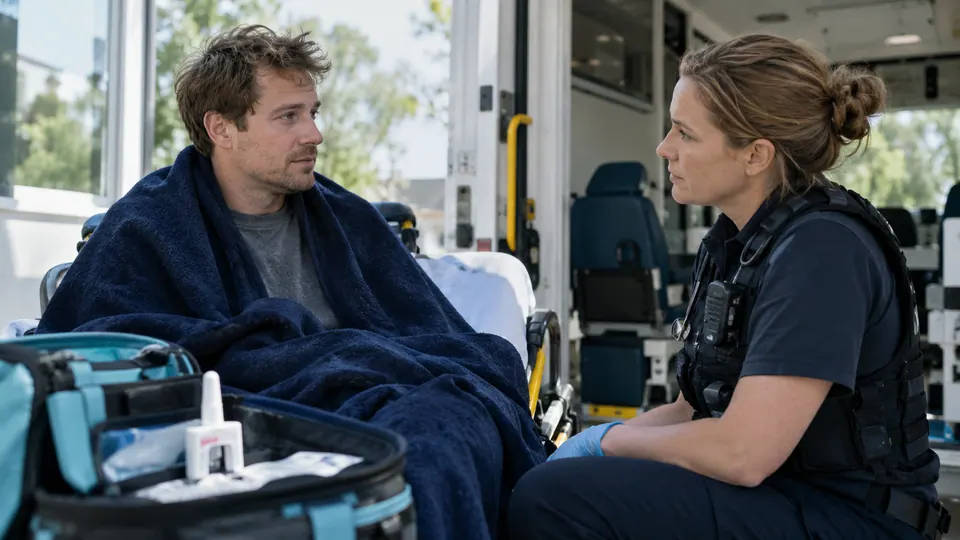
Focus on ventilation, recurrence, mixed exposures, and respectful post-overdose care; California device training is separate.
Current courses award 0 approved CE hours. Study time is not approved credit. View CE approval & acceptance.