
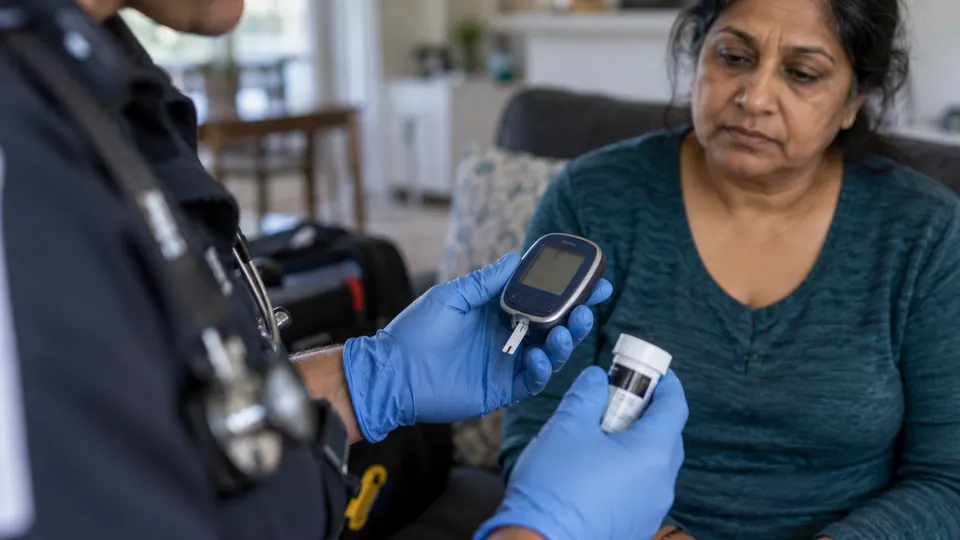
Medical
Endocrine Emergencies
Recognize glucose disorders and less common endocrine crises; electrolyte mechanisms belong in Metabolic Emergencies.
60 min study time$9
View course COURSE LIBRARY
Browse 120 courses by topic or EMS level. Each course is $9 and includes 12 months of self-paced access.
23 matching courses · Showing 1–12
No automatic renewalRecognize glucose disorders and less common endocrine crises; electrolyte mechanisms belong in Metabolic Emergencies.

Assess seizures, altered consciousness, headache, and neurological red flags; stroke pathways have a separate course.
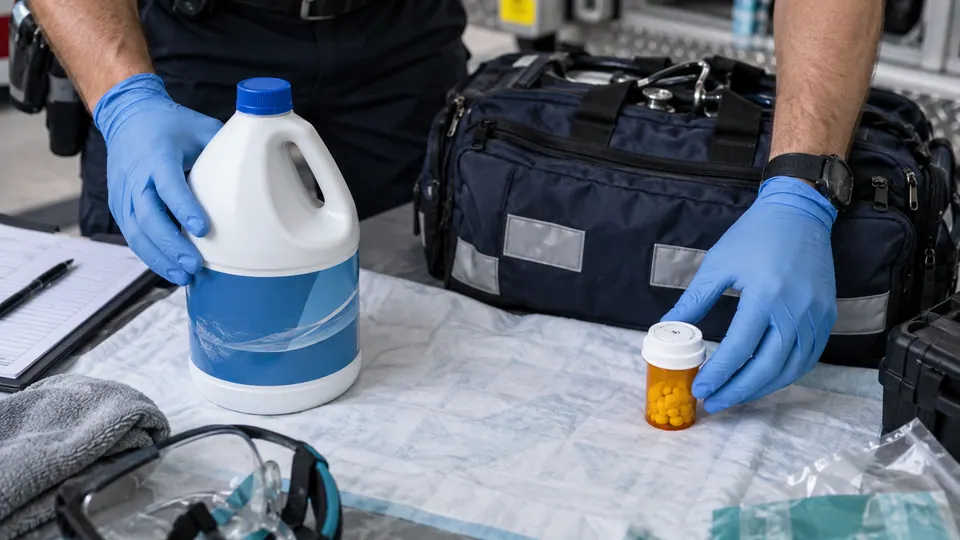
Use exposure history and toxidrome patterns to organize initial care; agent-specific courses add depth.

Survey heat, cold, altitude, and environmental exposure presentations; focused courses cover complex cases.

Connect suspected infection, organ dysfunction concerns, and time-sensitive prehospital communication.
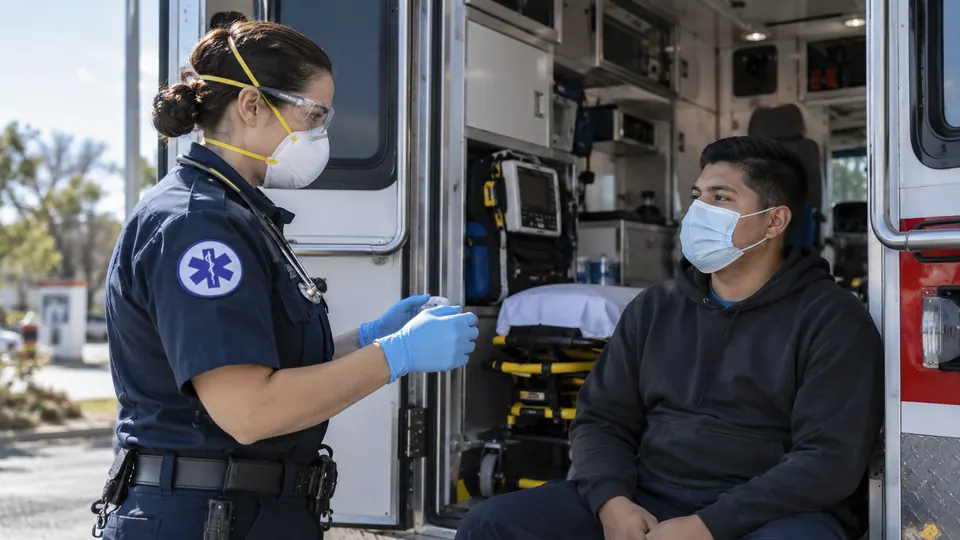
Assess communicable illness while reducing exposure during EMS patient care.

Assess dialysis complications, renal-failure presentations, and fluid-related risk.

Assess abdominal pain, GI bleeding, vomiting, and dehydration with attention to red flags.

Combine medical assessment, respectful communication, and behavioral-crisis scene planning.

Recognize anemia, sickle-cell complications, and bleeding disorders in field presentations.

Assess immunosuppression, transplant history, and atypical infection; immediate anaphylaxis has its own course.

Recognize multisystem allergic reactions and escalating airway or circulatory compromise.
Current courses award 0 approved CE hours. Study time is not approved credit. View CE approval & acceptance.