Trauma
Burn Management
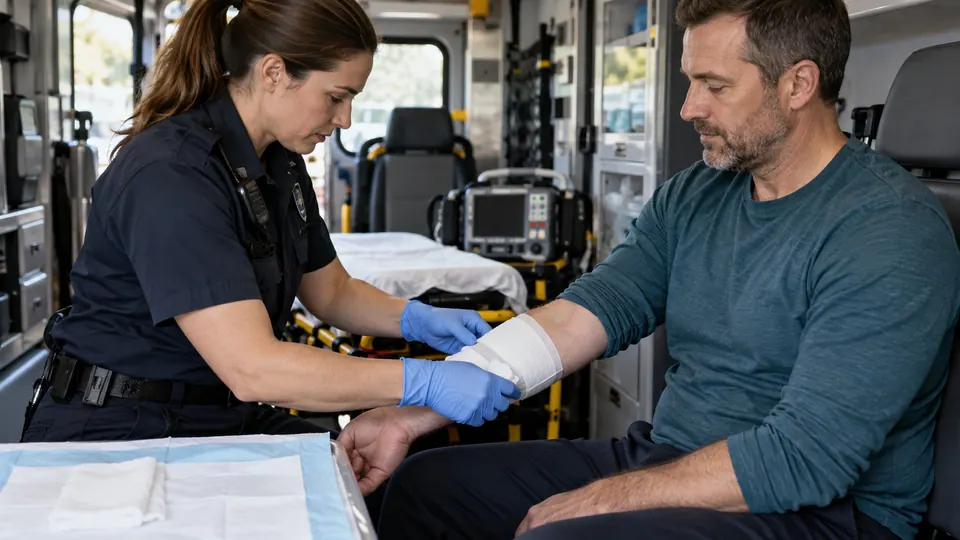
Assess thermal injury severity and initial wound, temperature, and transport needs.
60 min study time$9
View course COURSE LIBRARY
Browse 120 courses by topic or EMS level. Each course is $9 and includes 12 months of self-paced access.
94 matching courses · Showing 49–60
No automatic renewalAssess thermal injury severity and initial wound, temperature, and transport needs.
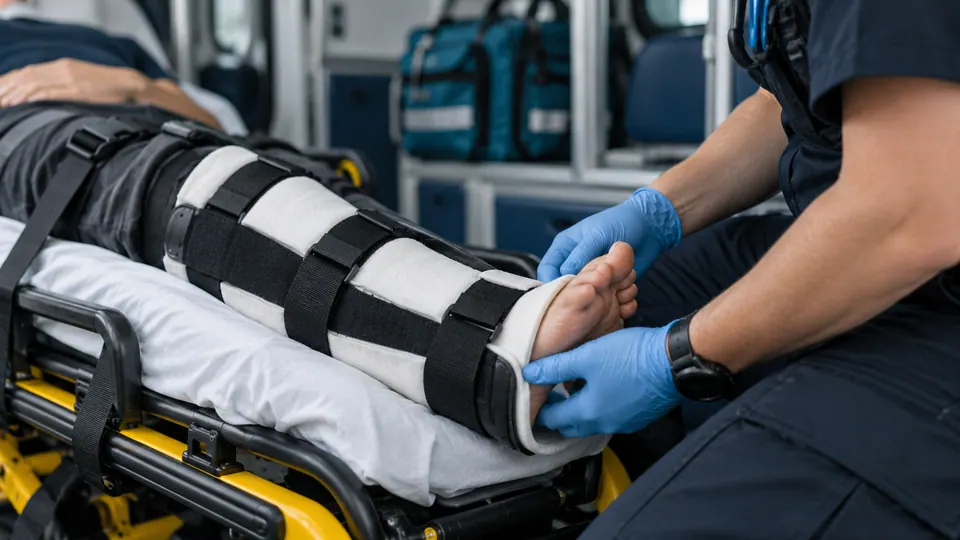
Assess fractures and dislocations with neurovascular protection and movement planning.
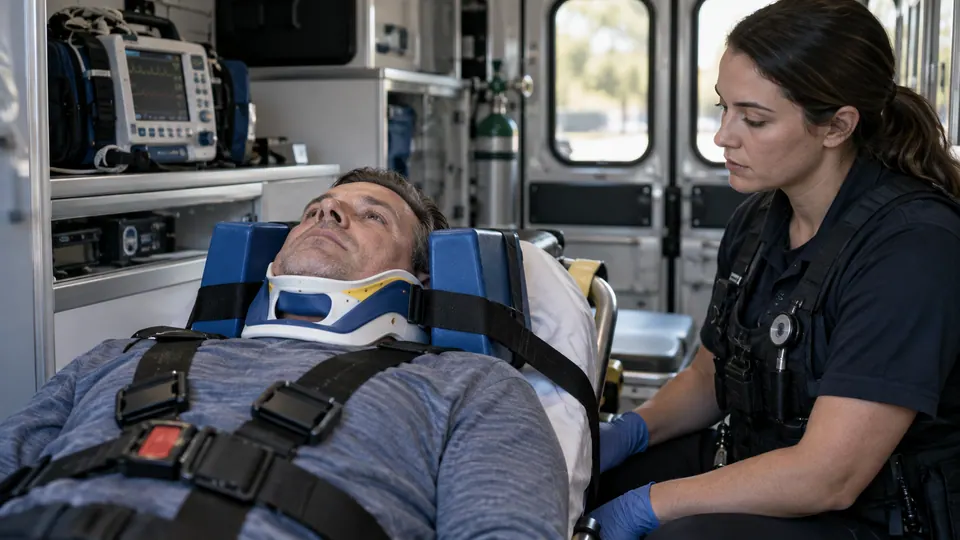
Use assessment and local criteria to guide spinal motion restriction and movement.
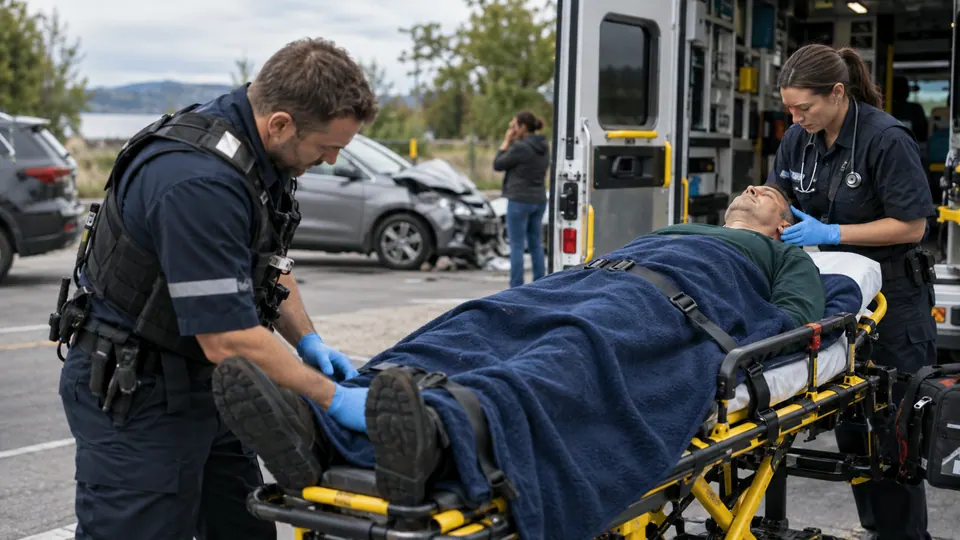
Perform a systematic trauma survey with rapid identification of life threats.
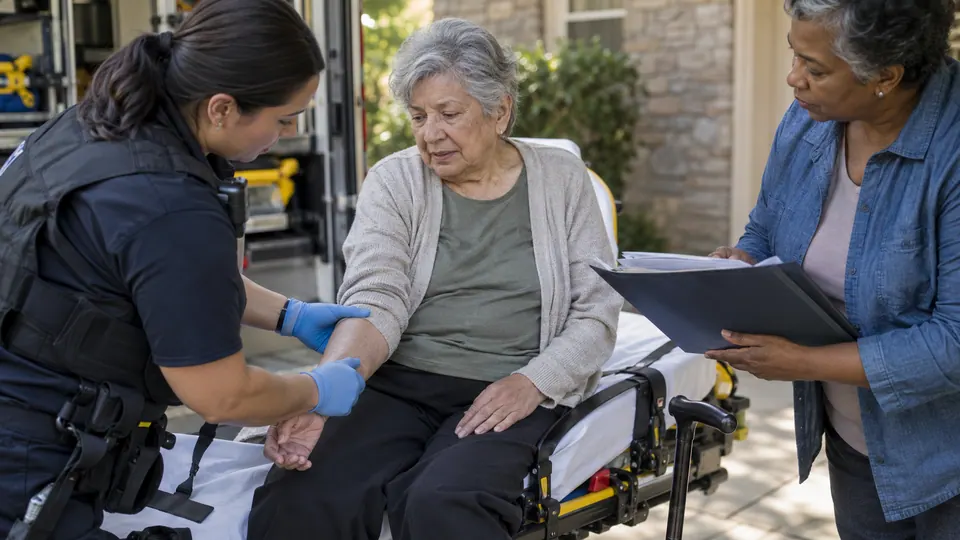
Adapt trauma care for older, pregnant, anticoagulated, and medically complex patients; pediatric trauma is separate.
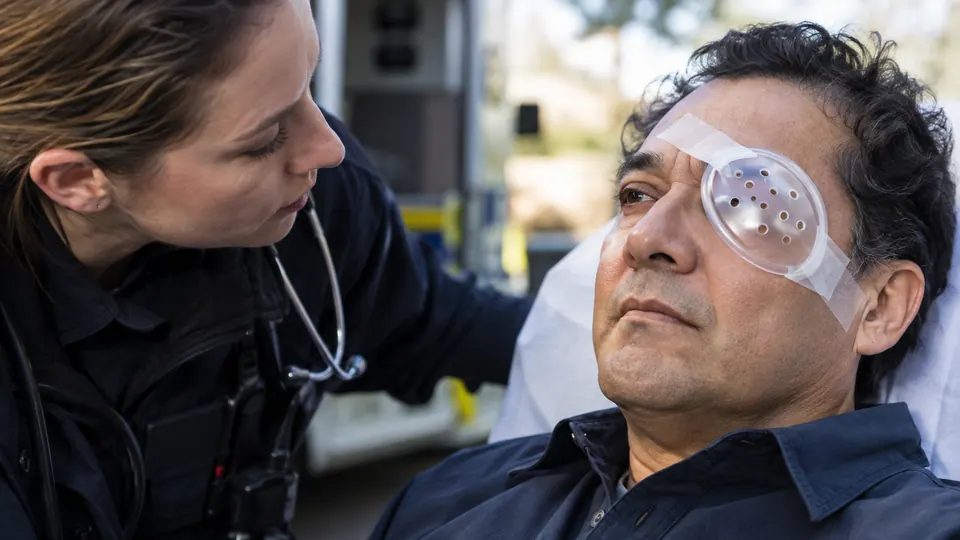
Assess vision-threatening and facial injuries while preserving airway and tissue safety.
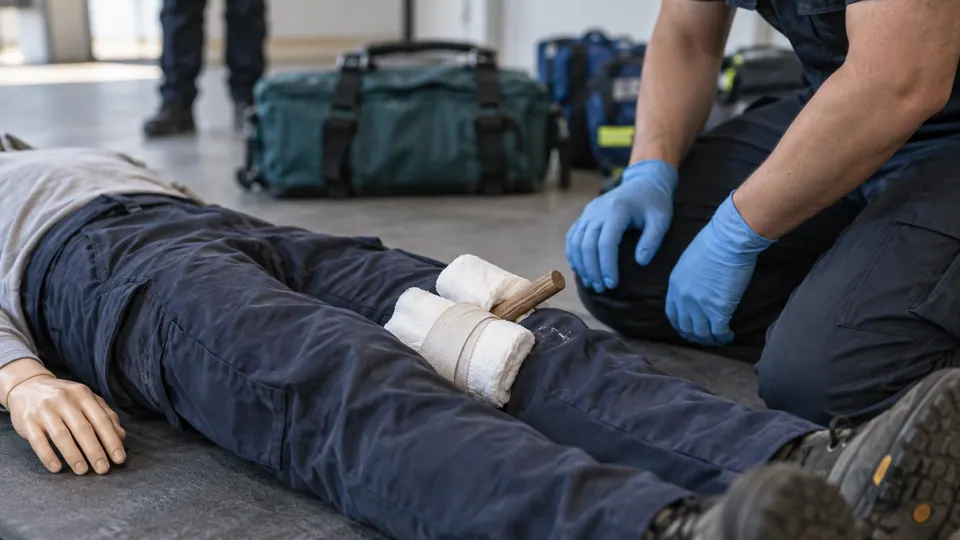
Use wound location and mechanism to anticipate hidden injury and prioritize transport.
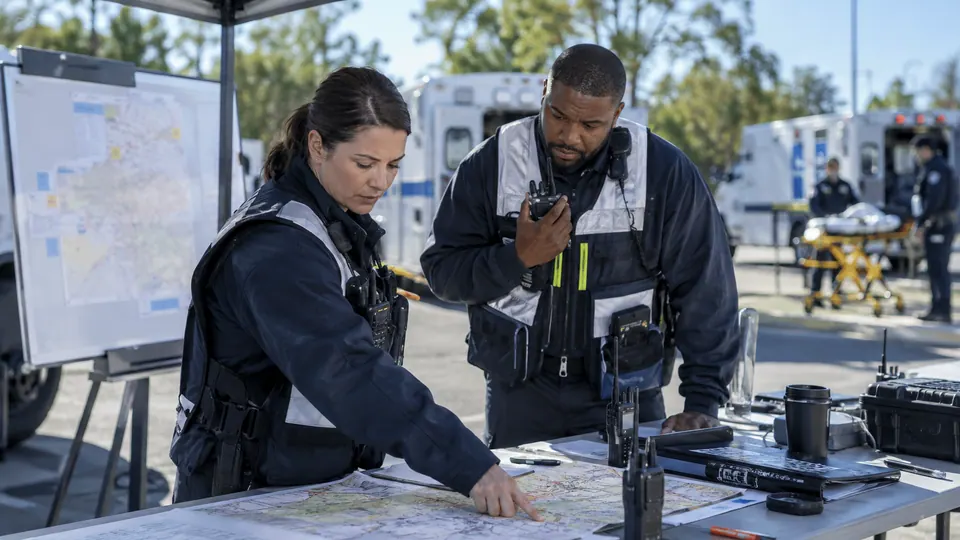
Apply incident roles to EMS patient care and resource coordination; this is not FEMA certification.
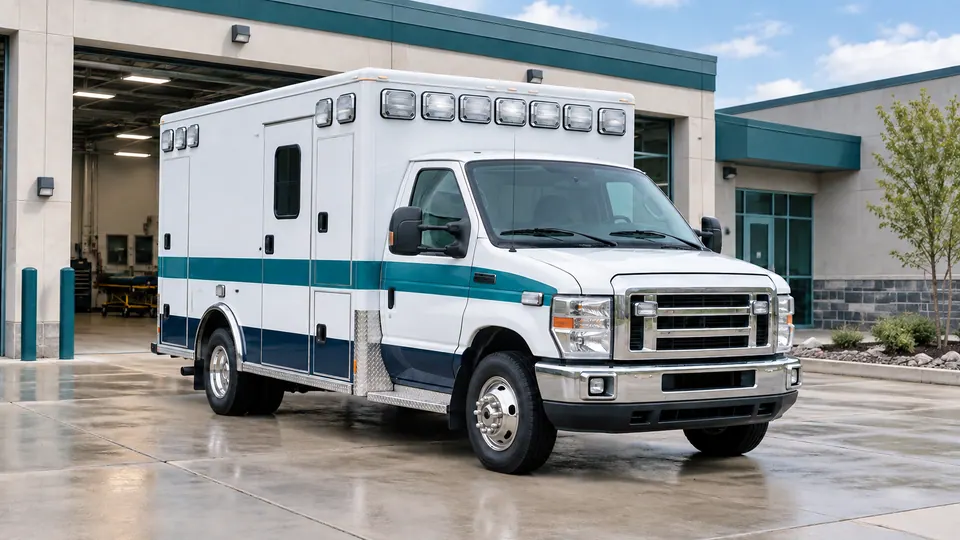
Reduce patient and crew risk during ambulance movement and transport; not driver certification.
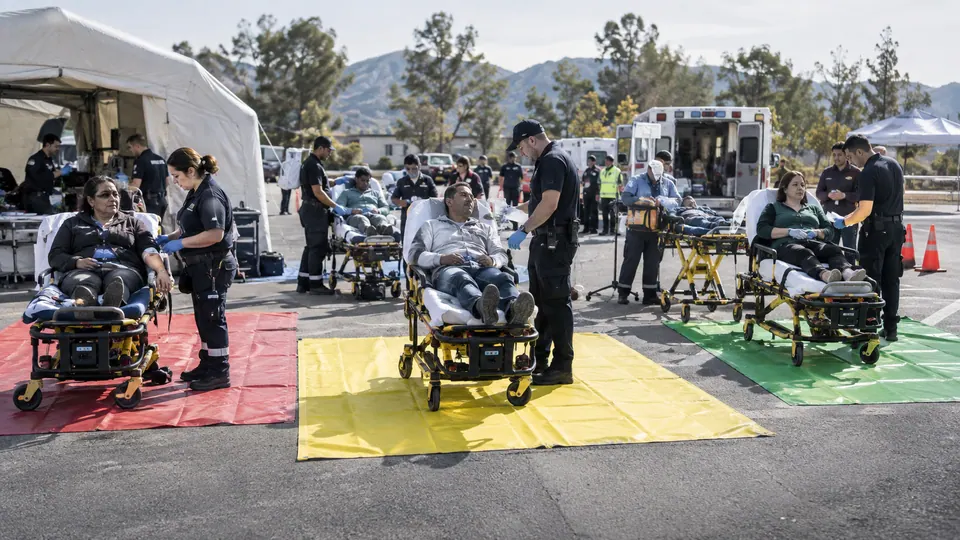
Apply locally adopted triage and patient-flow processes during resource-limited incidents.
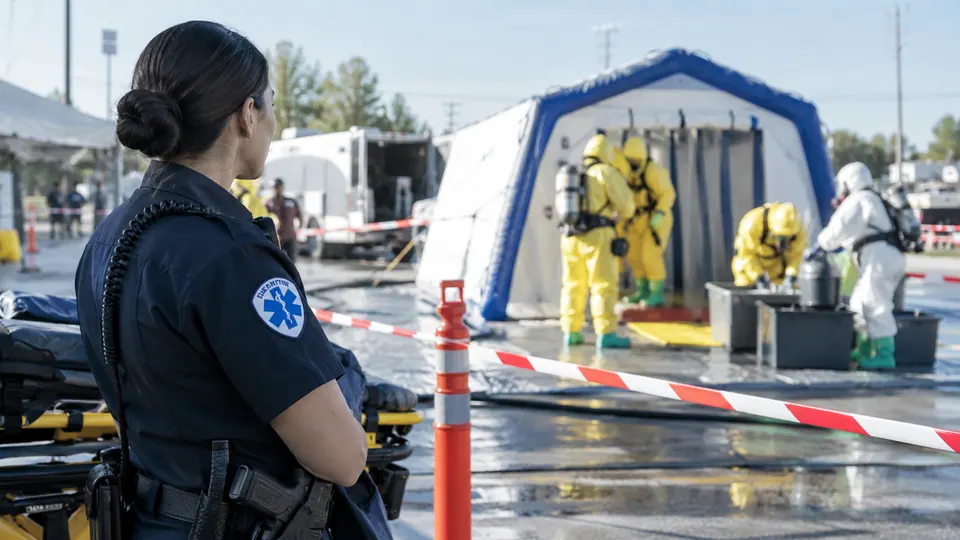
Recognize contamination hazards and safe patient-care interfaces; not technician qualification.
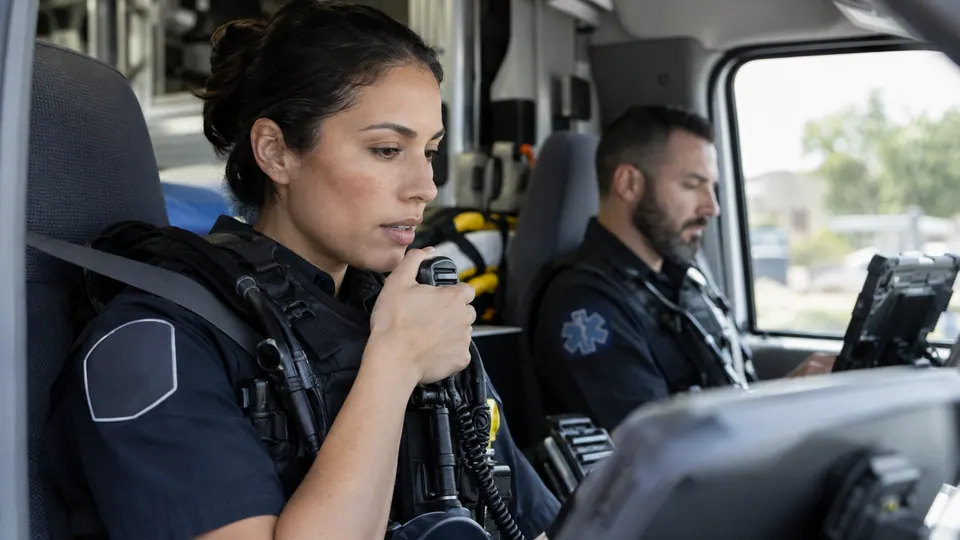
Improve radio reports and interagency information flow; bedside transfer is a separate focused course.
Current courses award 0 approved CE hours. Study time is not approved credit. View CE approval & acceptance.