
OB / Pediatrics
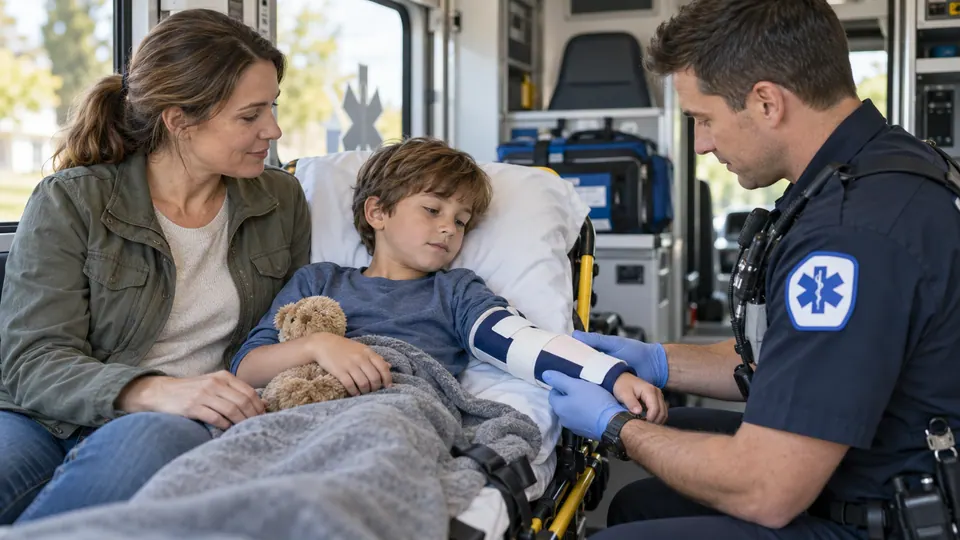
Pediatric Trauma
Apply pediatric anatomy and physiology to injury assessment and transport.
60 min study time$9
View course COURSE LIBRARY
Browse 120 courses by topic or EMS level. Each course is $9 and includes 12 months of self-paced access.
94 matching courses · Showing 37–48
No automatic renewalApply pediatric anatomy and physiology to injury assessment and transport.

Recognize concerning findings, document objectively, and follow jurisdiction-specific reporting duties.

Address infant unresponsiveness, family support, and objective documentation; EMS does not diagnose SIDS in the field.
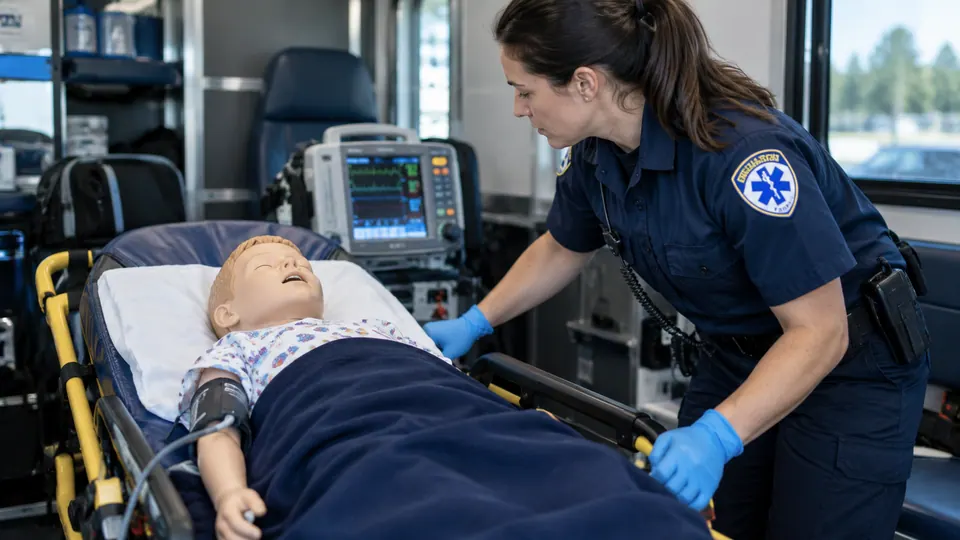
Recognize pediatric circulatory compromise and coordinate resuscitation priorities.

Recognize excessive bleeding after birth and coordinate maternal resuscitation and transport.
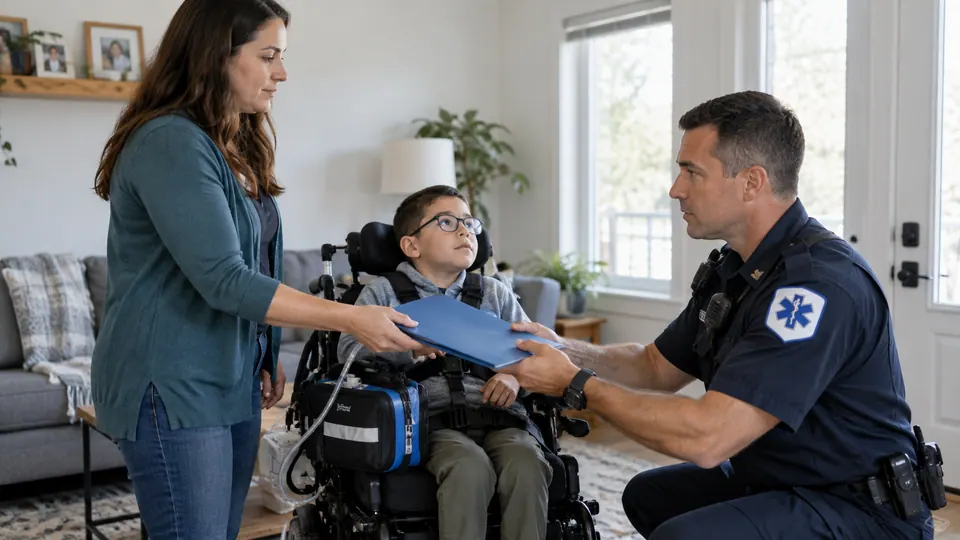
Assess device-dependent children using baseline function, caregivers, and emergency plans.

Adapt assessment to adolescent development, privacy, risk history, and acute illness.
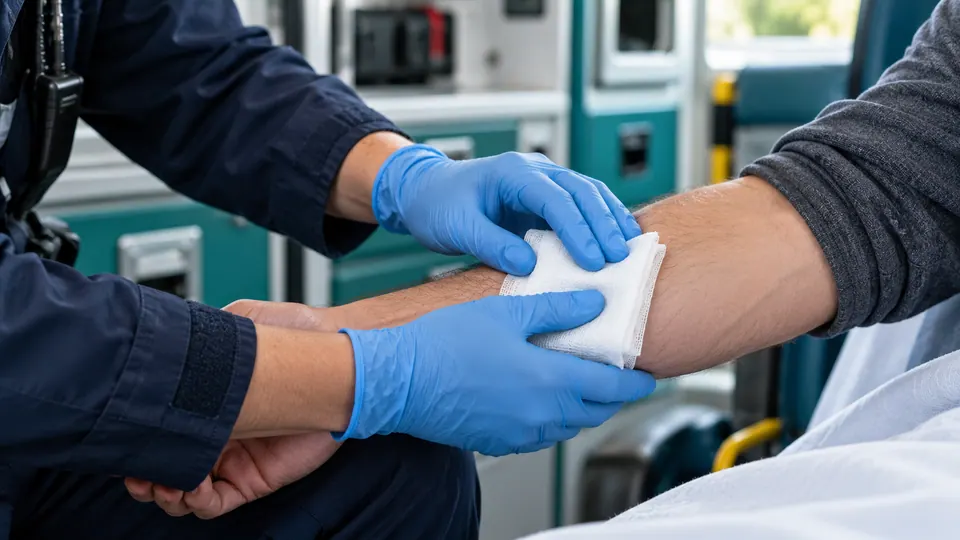
Identify life-threatening external bleeding and select basic hemorrhage-control measures.

Recognize traumatic hemorrhage and other traumatic shock mechanisms; external control technique is separate.
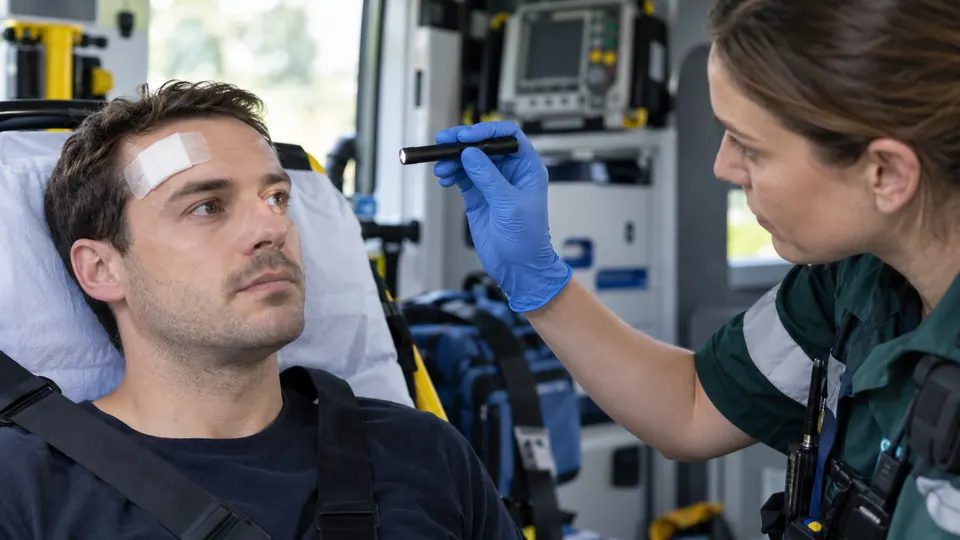
Assess traumatic neurological change and prevent avoidable secondary insults.
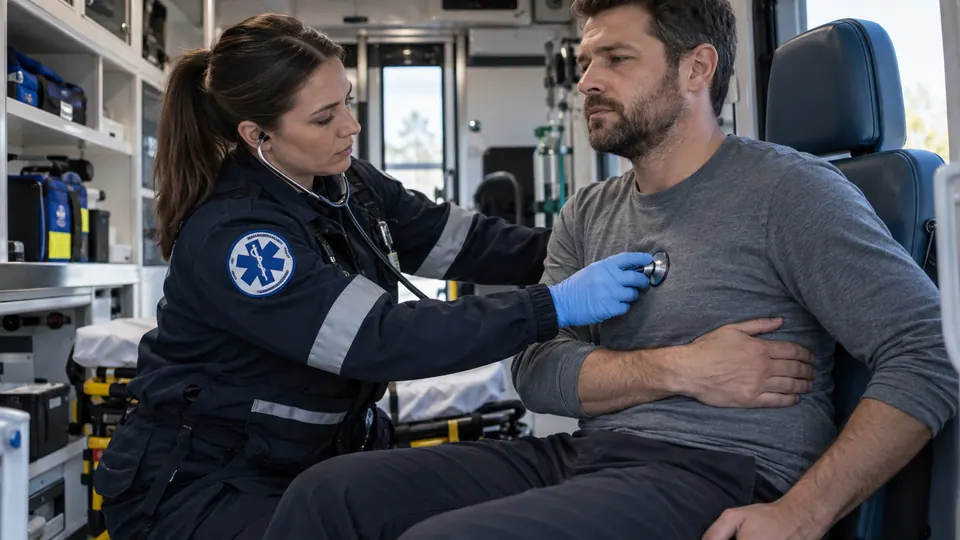
Recognize traumatic ventilation and perfusion threats during chest assessment.
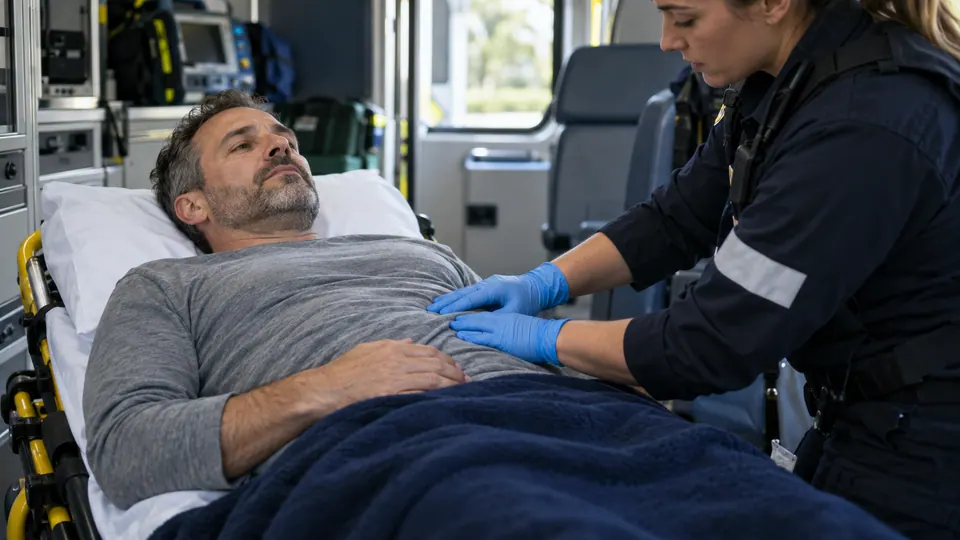
Assess abdominal and pelvic injury with attention to occult bleeding.
Current courses award 0 approved CE hours. Study time is not approved credit. View CE approval & acceptance.