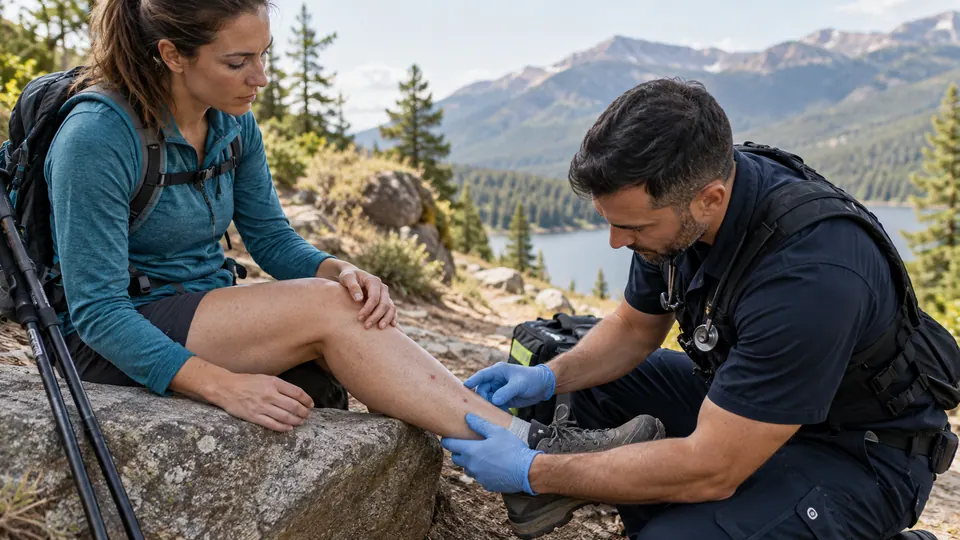
Medical
Envenomations, Bites & Stings
Identify systemic toxicity and avoid harmful field measures after animal or arthropod exposure.
60 min study time$9
View course COURSE LIBRARY
Browse 120 courses by topic or EMS level. Each course is $9 and includes 12 months of self-paced access.
41 matching courses · Showing 13–24
No automatic renewalIdentify systemic toxicity and avoid harmful field measures after animal or arthropod exposure.
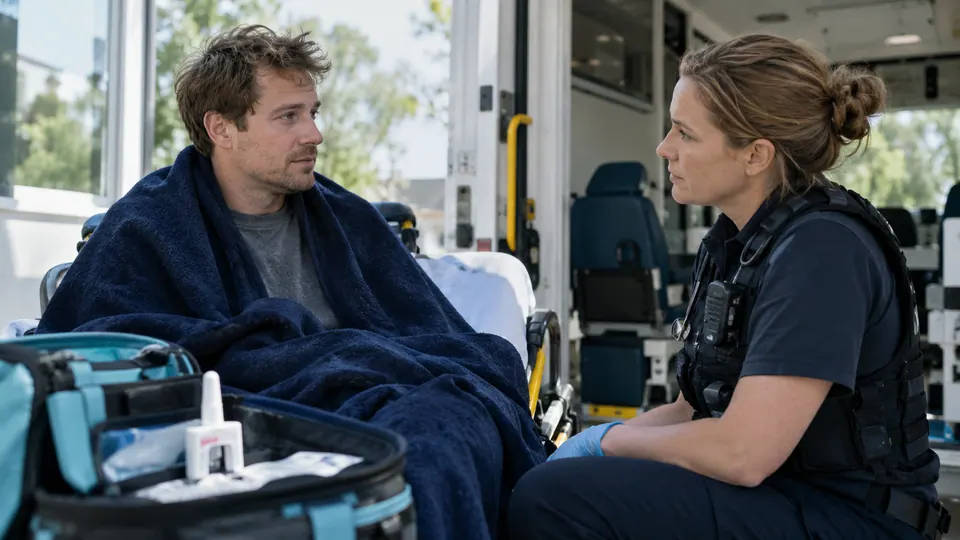
Focus on ventilation, recurrence, mixed exposures, and respectful post-overdose care; California device training is separate.

Use appearance, work of breathing, circulation, and age-appropriate history to guide urgency.

Recognize concerning findings, document objectively, and follow jurisdiction-specific reporting duties.

Address infant unresponsiveness, family support, and objective documentation; EMS does not diagnose SIDS in the field.
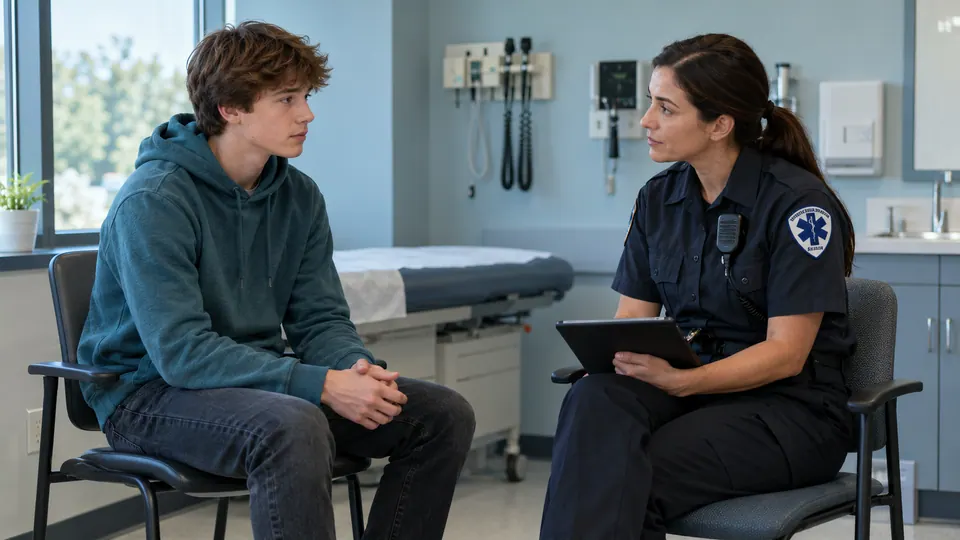
Adapt assessment to adolescent development, privacy, risk history, and acute illness.
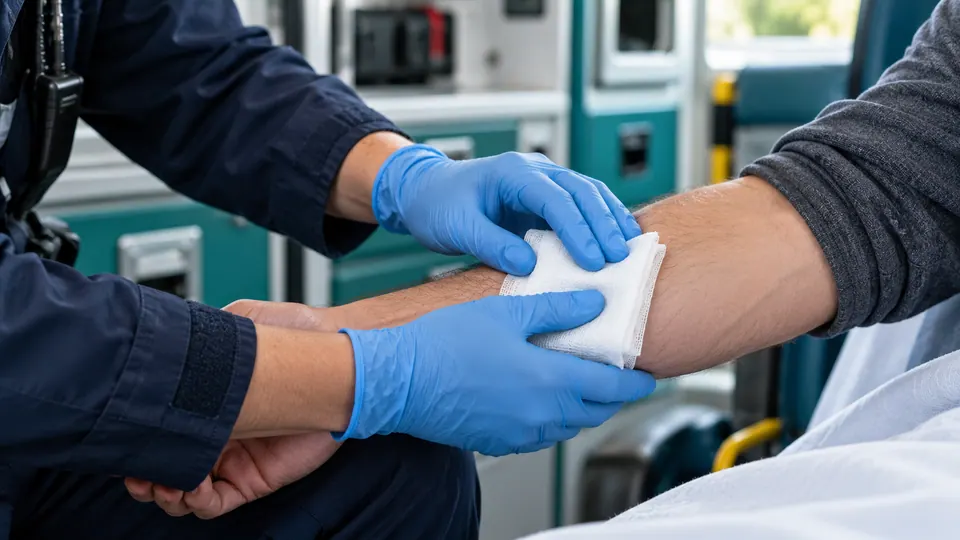
Identify life-threatening external bleeding and select basic hemorrhage-control measures.
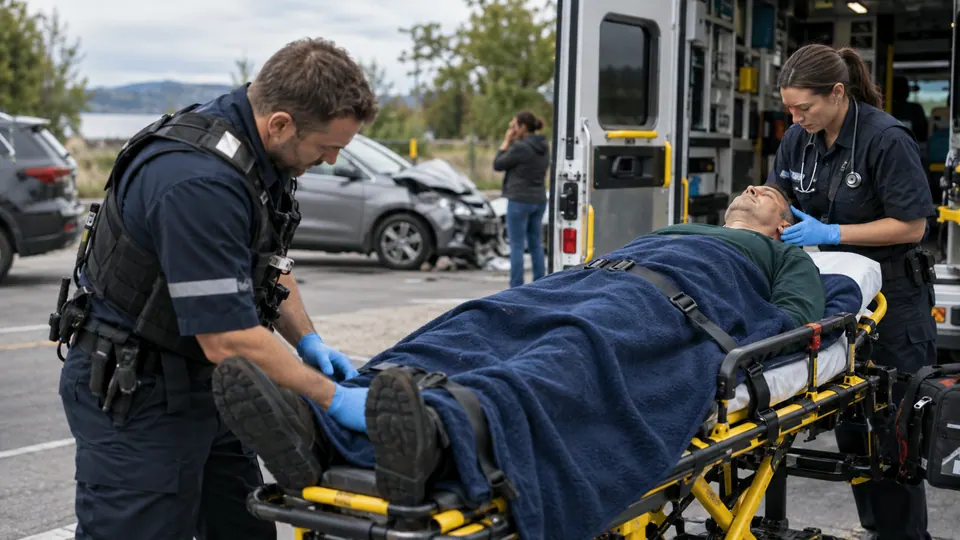
Perform a systematic trauma survey with rapid identification of life threats.
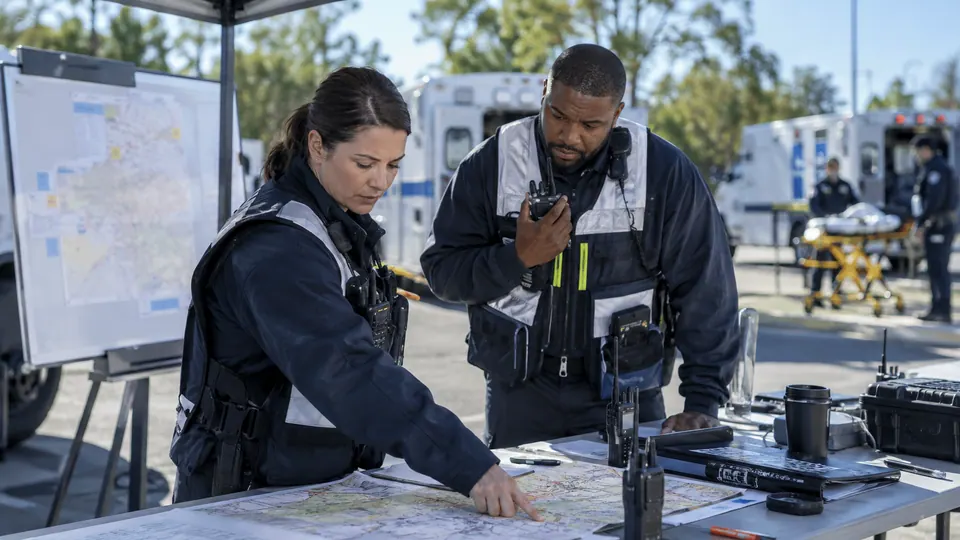
Apply incident roles to EMS patient care and resource coordination; this is not FEMA certification.
Reduce patient and crew risk during ambulance movement and transport; not driver certification.
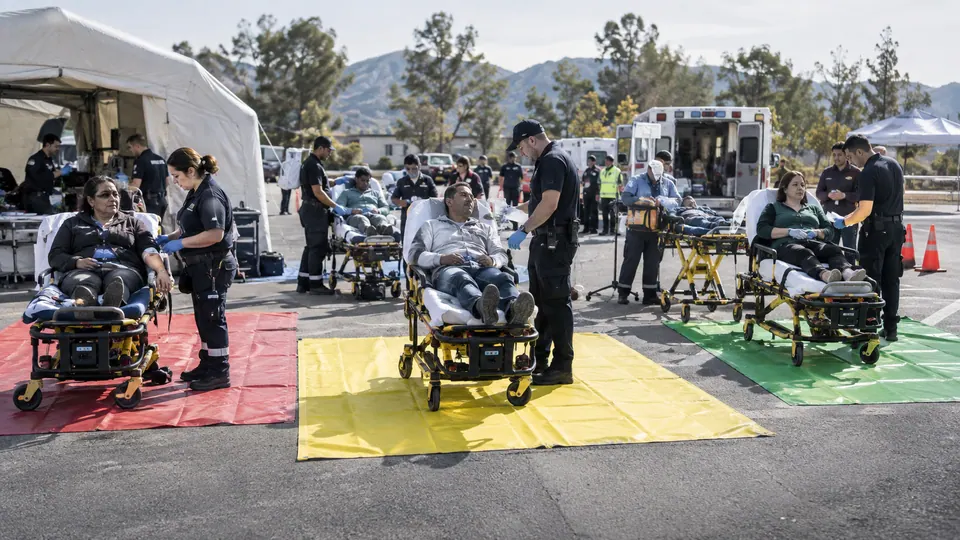
Apply locally adopted triage and patient-flow processes during resource-limited incidents.
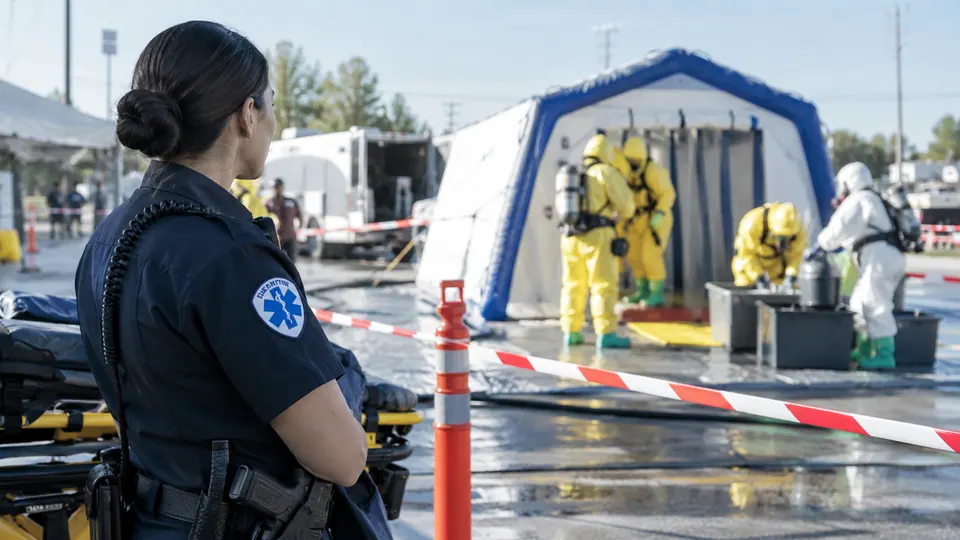
Recognize contamination hazards and safe patient-care interfaces; not technician qualification.
Current courses award 0 approved CE hours. Study time is not approved credit. View CE approval & acceptance.